Smart Strategies for Timing Your Next Appliance Purchase
Recognizing Seasonal Clearance Windows
The shop that needs to empty its shelves sets the price, and the wise buyer simply waits for that moment. In South Africa, appliance retailers follow a seasonal schedule, and I have watched the same pressure cooker sale appear in August, return after the holidays, and then vanish. Each cycle brings the prices down a little more, and that is a beautiful thing!
Here is what I have learned from years of watching:
- Winter stock arrives in May, so the previous year’s models drop in June.
- Clearance windows rarely last longer than two weeks.
- Online prices often lag store prices by a few days.
A pressure cooker sale is a product of warehouse cycles, shipping schedules, and financial quarters. When you recognise that pattern, you stop buying on impulse and start buying on purpose. That is the quiet art of the purchase.
Leveraging Flash Sales and Lightning Deals
Flash sales and lightning deals last anywhere from 15 minutes to four hours. South African retailers use these short bursts to clear odd inventory. A pressure cooker sale might appear at 2pm and end by 3:30pm. The discount curve is not linear. It starts at 15 percent, climbs to 30, then spikes near the deadline. I have watched prices tumble in the final minutes.
To leverage this, observe the patterns:
- Retailers often launch lightning deals on Tuesdays and Wednesdays.
- The biggest reductions happen after the first hour.
- Stock counts are visible, so watch the numbers drop.
A pressure cooker sale in this format rewards speed. Snooze, and you will pay full price next month. My thumb hovers over the confirm button before the sale starts. Timing is about being present at the exact moment of release.
Knowing When to Buy Previous Models
Retailers quietly discount last year’s range when the new inventory arrives. In South Africa, this cycle follows a predictable rhythm, often tied to import schedules and local distributor pressures. A pressure cooker sale on a previous model appears roughly four to six weeks before the next generation launches. I have found that the older unit performs identically for ninety percent of daily cooking tasks.
The urge to possess the newest thing masks a simpler truth. Previous models retain the core mechanics, the same safety valves, the identical sealing technology. The changes are cosmetic or digital, rarely functional. I watch for specific markers that signal a markdown is imminent:
- Updated packaging appearing on retailer stock lists
- Shifts in online product descriptions and manual PDFs
- Price drops smaller than ten percent, testing buyer patience
That first dip is the invitation. If you wait until the final clearance, stock thins unpredictably. Choosing the prior model during a pressure cooker sale gives you the same result for less, and no one sees the difference in your kitchen.
Using Price Comparison Tools Effectively
Price comparison tools reward patience, but only when used with intention. In South Africa, the difference between a fair deal and a true bargain often lives in the tracking history of a single product page. I have learned to set alerts on two or three platforms, not for the lowest price, but for the pattern of movement. A pressure cooker sale rarely arrives without warning; the graphs show a dip, then a plateau, then the real fall.
The trick is to verify the seller before you trust the number. Some listings show older stock at tempting rates, while others add shipping costs that erase the gain. Use the tools to compare total costs, not just the headline figure.
- Check the price history for at least six weeks.
- Compare multiple retailers, including local marketplaces.
- Read the warranty terms for imported models.
The same appliance can carry different prices across the same city on the same day.
Evaluating the Best Cookers Across Price Ranges
Affordable Options for First-Time Buyers
A pressure cooker sale presents a narrow field of choice. For a first time buyer, the lowest price tier carries ambiguity. Those units often employ thinner metals, which scorch easily and warp over time. A slightly higher price, however, introduces a reversible base and a more reliable safety valve. That difference is not cosmetic!
But I do not dismiss the entry level entirely. The best value for a novice often rests in a basic model from a known brand, provided it has a locking lid and a manual release. For a household of two or three, a four litre pot suffices. For a larger family, look towards a six litre capacity.
Within a single pressure cooker sale, these physical attributes matter:
- Compliance with South African plug standards.
- Sturdy handles that resist heat transfer.
- A stay cool base for safe handling.
Mid-Tier Picks with Advanced Functions
A pressure cooker sale often hides its most interesting offerings in the middle tier. I have watched shoppers skip past these units, drawn to the lowest price or a flashy display. That is a mistake. Mid-tier cookers typically offer a spring-loaded valve system, which regulates pressure with far more precision than the weighted jiggle valves on budget models. In South Africa, where altitude varies from Cape Town to Johannesburg, this control matters. The tender collapse of oxtail depends on consistent pressure.
Look for a heat diffuser plate bonded to the base. This prevents scorching in tomato-based stews. Some models also include a pressure indicator pin that rises visibly, so you know the status without peering through steam.
Consider these features when comparing mid-tier options:
- A three-stage safety system with overpressure protection.
- Interchangeable gaskets that extend the lifespan.
- A quarter-turn locking lid.
These additions explain why the middle price band delivers the strongest value in any pressure cooker sale. The advanced functions are not decorative. They reduce cooking failures and simplify daily use.
High-End Models with Premium Build
When a pressure cooker sale reaches its premium tier, the differences appear immediately. High-end models use surgical-grade stainless steel with thick aluminium layers pressed into the base. That construction spreads heat evenly and prevents scorching. In Cape Town’s humidity, a properly sealed heavy lid separates a perfect pot from a frustrating one.
Premium units also feature valve assemblies milled from solid metal rather than moulded plastic. These components survive hundreds of cycles without weakening. I have handled cookers that sealed tightly after a decade of weekly use.
What distinguishes genuine craftsmanship from expensive marketing:
- Triple-ply or five-ply base construction for steady heat retention
- Hand-polished surfaces that resist staining from turmeric and tomato
- Components rated for gas, electric, and induction hobs
The distance between mid-tier and top-end models in any pressure cooker sale reflects material costs, not brand markup. You pay for metal that holds heat longer and never warps.
Understanding Capacity and Power Specs
A pot of samp and beans needs four hours on a regular stove. Inside a correctly sized pressure cooker, the same meal finishes in under fifteen minutes. That gap in time explains why a pressure cooker sale attracts such attention in South African kitchens. The challenge is knowing which cooker matches your household’s actual needs, and that requires separating price tags from practical value.
Evaluating the best cookers across price ranges means reading the specifications sheet before you admire the finish. The cheapest units in any pressure cooker sale typically offer aluminium bases and single pressure settings. They cook well, but they respond slowly to heat changes and wear quickly on gas flames. A mid-range unit adds a thicker base and two pressure levels, which helps when you prepare both delicate vegetables and tough cuts of meat in the same week. I have seen expensive cookers introduce precision valves and heavier lids, yet those features only matter if you cook often enough to notice them.
Understanding capacity and power specs prevents the most common purchasing mistake. A six litre cooker suits a household of two to three people. A ten litre unit handles meal prepping for a larger family or batch cooking for freezing. Check the wattage if you use an electric stove, because high wattage units reach pressure faster, but they also demand more from older kitchen circuits. During any pressure cooker sale, confirm the litre markings and heat source compatibility before you commit.
- Capacity should cover your largest pot of stew without filling the cooker beyond two thirds full.
- Power output on induction models ranges from 1000 to 1800 watts; match it to your stove’s induction rating.
- Valve assembly quality matters more than the number of preset programmes.
Any pressure cooker sale will include a wide spread of litre sizes and heat ratings. The correct purchase depends on the number of people you feed, the stove you own, and the pace of your cooking routine. A smaller unit with a solid valve beats a larger unit with flimsy parts. Ignore the brand stickers and compare the specifications that affect your stove and your family.
Top Destinations for Scoring Unbeatable Appliance Deals
Big-Box Retailers vs. Online Marketplaces
I have seen discounts of up to 33% on select models at South African retailers. That kind of saving disappears if you choose the wrong seller. Big-box chains like Game and Makro provide immediate stock and hands on inspection. Online marketplaces such as Takealot offer broader catalogues and verified buyer feedback.
Consider the practical differences:
- Big-box retailers: no delivery costs and in person returns.
- Online marketplaces: frequent coupon codes and bundle deals.
Shipping a heavy pressure cooker often erases an online discount. A lighter induction model may arrive cheaper through a digital storefront. The optimal destination changes with every product. When you spot a genuine pressure cooker sale, compare the total landed price at both types of outlets before you commit.
Exploring Outlet Stores and Warehouse Clubs
Shopping for a pressure cooker sale in South Africa often means battling crowded aisles at big chains. But outlet stores and warehouse clubs hold better options. These venues sell returned units, overstocked models, and discontinued lines at prices that beat most online listings.
Outlet stores in Johannesburg and Cape Town regularly stock dented boxes with intact interiors. Warehouse clubs like Makro and Checkers Hyper sometimes drop prices on floor models when new stock arrives. You can inspect the lid seal, test the handle, and walk out with a heavy steel unit without paying for delivery.
- Opened box items often carry full warranties.
- Stock rotations happen without announcement.
I left a warehouse club with a multi cooker at nearly half the retail price. The pressure cooker sale season brings extra markdowns on display units, and most still carry full warranty coverage.
Maximizing Coupons, Rebates, and Cashback
Many shoppers in Cape Town overlook the power of stacking discounts from separate sources. Independent electronics retailers run their own coupon schemes, while manufacturers offer rebates on select models. When a pressure cooker sale appears at a small chain, you can often add a rebate form and a cashback app credit to the same purchase.
The best destinations for this approach include:
- Small appliance boutiques that honour price guarantees
- Cashback applications such as Sniply and GetRewardz
- Bank reward portals with seasonal multipliers
I once combined a store voucher with a bank promo to cut a multi cooker’s price by a third. The rebate deadline loomed, but the paperwork took ten minutes. That particular sale ended well.
Considering Refurbished and Open-Box Inventory
Nearly 40% of returned appliances work flawlessly after simple cosmetic fixes. Refurbished units still make many Cape Town shoppers uneasy. That hesitation carries a price tag.
Certified refurbisher networks and manufacturer trade in programs commonly offer pressure cooker sale items with original warranties. Open-box inventory from online marketplaces lets you inspect exact condition before paying.
- Manufacturer certified refurbishment programs
- Marketplace open-box listings with photos of each scratch
- Local repair shops that resell tested trade-ins
I once scored a smart cooker for 60% off because the box had torn tape. The unit itself sat untouched. These deals reward scrutiny.
Essential Checks Before Finalizing Your Order
Reviewing Warranty Coverage and Return Windows
Most shoppers spend ten minutes comparing prices and zero seconds reading warranty clauses. That is a mistake! A pressure cooker sale in South Africa can still leave you paying full price for a replacement if the seal fails after eight months.
Warranty coverage varies wildly across retailers. Some offer comprehensive three year plans, others only a standard twelve month buffer. Return windows deserve equal scrutiny. A damaged lid discovered on day fifteen may fall outside the store’s exchange period.
- Confirm whether the warranty covers electrical faults or only manufacturing defects.
- Ask if the retailer or the brand handles the claims process.
- Verify if return shipping costs fall on you.
These details determine whether your bargain remains a bargain.
Verifying Safety Certifications and Materials
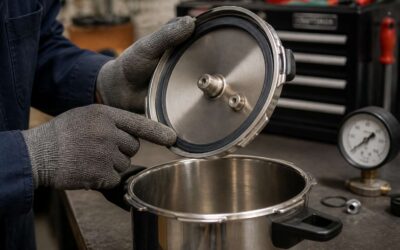
Safety certifications separate a prudent purchase from a potential hazard. Before committing to any pressure cooker sale, examine the materials used in the pot body and the sealing ring. A 2019 report from the National Consumer Commission flagged several imported stovetop models that failed pressure tests within months.
- Stainless steel bodies with a minimum gauge of 0.8mm
- Aluminium bases specifying the alloy grade rather than generic labels
- Seals stamped with FDA or EU food grade approval
The SABS mark remains the recognised local compliance standard, though some reputable international brands carry equivalent approvals. Retailers during a pressure cooker sale often promote cheaper units with thinner walls. That trade off affects heat distribution and longevity. Certification numbers printed on the box require verification against the manufacturer’s database, since packaging errors occur regularly.
Comparing Bundled Accessories vs. Bare Units
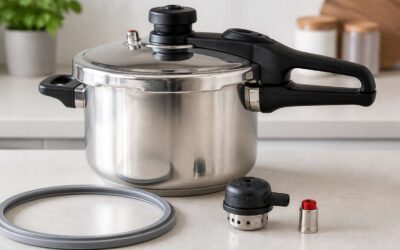
What catches your eye during a pressure cooker sale is often the bundle, not the base unit. One popular retailer packages a bare stovetop model with a trivet, a spare gasket, and a recipe book. You might pay 15% more for this package than for the unit alone. Before you decide, think about what you actually need for your kitchen.
For most cooks, the decision breaks down like this:
– Spare gaskets wear out every 12 to 18 months with weekly use.
– A trivet costs under R100 at local kitchen supply shops.
– Recipe books age poorly, while pressure cooker techniques remain transferable across models.
The bundle seems convenient, yet its components often lack the quality of the pressure cooker itself. The trivet might feature thin wire that bends, and the gasket could be a generic fit. During a pressure cooker sale, inspect the core unit carefully. Verify that the sealing ring sits snugly and the base uses a solid alloy. Accessories are replaceable. The pressure vessel is not. Choose the option that prioritises the main device.
Factoring in Shipping Fees and Delivery Times
A pressure cooker sale can lose its appeal when delivery costs erase your savings. I once watched a R200 discount vanish under a R350 shipping fee. Before you finalise, examine the checkout total. Ask if the courier covers rural areas. Check whether delivery takes five days or five weeks. The bundle might be tempting, but a delayed unit keeps dinner plans hostage.
Here is the practical side:
- Confirm whether shipping is calculated by weight or by order value.
- Check if the delivery time assumes stock availability.
- See if express options actually arrive on weekends.
For a pressure cooker sale, a vendor with transparent logistics beats one with a lower base price. Factor the dates into your schedule.
Reading Verified Owner Reviews for Real Insights
A single deceptive review can derail a sound purchase. Nearly 30% of online feedback is fabricated, so verified owner insights act as a corrective lens. When a pressure cooker sale tempts you with a steep markdown, scroll past the marketing copy and examine patterns across multiple platforms.
I look for reviews that mention specific cooking outcomes. Does the sealing ring fail after three months? Do burn marks appear on the base? These details surface only in verified purchases. Check whether reviewers received the product at a discount, since incentivised opinions skew positive.
- Filter by the verified badge only
- Sort by most recent, not highest rating
- Cross-reference complaints across retailer and manufacturer sites
A pressure cooker sale saves money, but a faulty unit costs more in replacement and frustration. Reading between the lines of owner experiences reveals true durability, and what a difference a genuine voice makes.

0 Comments