Core Components of the Cooking Vessel
The Pot Body and Its Material
When you first lift a quality stovetop pressure cooker, the weight tells you something important. That heft comes from the pot body, the vessel where all the magic happens. This core component must withstand high pressure and conduct heat evenly across its base to prevent scorching.
The material dictates performance. Stainless steel offers durability and a non-reactive surface, but it often features an encapsulated aluminum or copper base for superior heat distribution. This layered construction prevents hot spots, which are the enemy of even cooking. Aluminum alone heats quickly and is lighter, yet it can warp over time and react with acidic foods.
– Stainless steel with a copper or aluminum core gives versatility on any heat source.
– Pure aluminum is affordable but less robust for daily heavy use.
Your choice influences how effectively the entire assembly of stovetop pressure cooker parts works together. A pot body with thin walls creates temperature fluctuations, while a well-built one maintains steady, gentle pressure. That stability is the difference between a tender beef stew and a ruined meal.
Lid Design and Locking Mechanism
The lid is where the pressure cooker earns its dramatic reputation. The locking mechanism ensures the lid stays attached when pressure peaks. South African cooks who remember rattling older models appreciate modern engineering. Today’s stovetop pressure cooker parts include fail-safe locks that engage before steam builds.
When pressure rises, the lid seals tighter rather than looser. The higher the pressure, the more stubbornly the lid holds. A pressure indicator pin rises with the steam, giving you a visual cue that dinner is under pressure. I’ve watched cooks fixate on that pin!
When shopping for stovetop pressure cooker parts, consider these lid features:
- A gasket that fits snugly but swaps out easily
- A pressure release valve that vents without excessive noise
- A locking pin that drops only once pressure drops
The lid design also affects clean-up. Intricate channels trap food if neglected. A smooth interior makes washing less of a chore.
Sealing Ring and Its Function
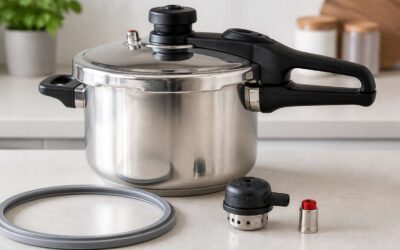
The sealing ring is the essential component among stovetop pressure cooker parts. Without it, steam escapes and pressure never builds. This flexible gasket sits between the lid and the pot body, compressing to form an airtight seal. I have seen worn rings cause more failed meals than any other component.
Modern rings are made from food grade silicone or rubber. They withstand high temperatures and repeated use. But they do not last forever. A ring that feels hard, cracks, or loses its shape will break the seal. That is why many South African cooks keep a spare on hand!
- Tears or nicks on the surface
- Hardening or loss of flexibility
- Stretching that prevents a snug fit
When shopping for stovetop pressure cooker parts, inspect the ring’s fit. It should snap into the lid’s groove without force. A proper seal means faster cooking and safer operation.
Pressure Indicator Features
The core vessel itself is more than a simple pot. Its multi-layer base, often featuring a clad metal core, disperses heat evenly across the entire surface. This prevents scorching and ensures that every morsel within receives the same gentle pressure. In many modern units, you will find a secondary, inner surface that resists staining from turmeric-heavy curries or tomato-based bredies. The craftsmanship here dictates the life span of the entire unit; a thin-walled body is a fundamental flaw among stovetop pressure cooker parts.
The pressure indicator is your window into the hidden world of steam and temperature. This weighted regulator or spring valve is the voice of the unit, speaking in gentle hisses once the correct pressure is achieved. While the locking pins prevent opening, the indicator controls the environment itself. Watching the rhythmic dance of the rocker weight has a certain music to it, a promise of a tender result. A clear view of this mechanism is essential for any chef.
- Primary pressure release valve control point
- Visual confirmation of internal thermal state
- Backup safety vent housing
Without a properly seated valve assembly, the entire physics of the cooking process fails. The indicator is the only part that communicates the internal state of the vessel without breaking the seal. This silent sentinel transforms raw ingredients into a symphony of flavor with absolute safety.
Handles for Safe Handling
Of all the stovetop pressure cooker parts, the handle is the one most often ignored until it fails. It is the first point of contact between cook and vessel. A poorly designed handle can turn a triumphant pot roast into a trip to the emergency room. The physics are simple: the pot is heavy, the contents are hot, and the steam is unforgiving. A good handle offers a firm, heat resistant grip, positioned to balance the weight of the entire unit. It should not wobble, nor should it conduct heat from the body.
In South African kitchens, where potjie culture meets modern efficiency, the handle is the link between safety and convenience. I have seen handles that remain cool to the touch while the vessel rages within, and others that turn dangerously hot. The difference lies in the material and the riveting. Bakelite, silicone, or stainless steel with a heat shield, each has its merits. A secure handle makes the difference between a confident pour and a precarious shuffle. When shopping for stovetop pressure cooker parts, give the handles a firm squeeze before you commit.
Pressure Control and Safety Valves
Pressure Regulating Valve
Every stovetop pressure cooker’s performance depends on the pressure regulating valve, a component that most cooks ignore until trouble appears. Among all stovetop pressure cooker parts, no other piece has a greater influence on cooking outcomes. The valve does not simply release steam. It maintains a precise internal pressure by allowing excess vapour to escape at a controlled rate. This balance is what makes pressure cooking consistent and safe. If the valve is blocked or damaged, the cooker cannot regulate itself properly.
Common valve designs include the following:
- A weighted valve that rocks or hisses when pressure is reached.
- A spring-loaded valve that opens at a preset pressure.
- A combination valve that also serves as an emergency outlet.
Each design has its own maintenance needs. Food particles and hard water minerals can obstruct the tiny steam port. In South Africa, where water hardness varies widely, that risk is real. The narrow passage requires careful attention, though the exact cleaning method depends on the manufacturer.
Safety Lock Mechanism
I have seen cookers where the safety valve was blocked by mineral buildup. That is why the safety lock mechanism matters. It does not depend on the valve. It depends on the pin. The pin stays lifted until internal pressure drops below a safe threshold. When the pin drops, the lid turns. When it does not, the cooker is telling you to wait.
The secondary vent functions as a pressure relief channel. The interlock uses a spring and pin arrangement. The pin drops only when pressure equals ambient. These two components are stovetop pressure cooker parts that require regular inspection.
They should not be treated as secondary to the primary valve! The lock and the vent are separate layers. Bypassing them negates their purpose.
Overpressure Plug
The overpressure plug is the last line of defence among stovetop pressure cooker parts. It is a small metal insert, often made of a soft alloy, designed to melt or blow out at a set pressure. If the primary valve and secondary vent become blocked, the plug clears the way before the lid becomes a hazard.
Corrosion is a quiet enemy. Food residue can seal the plug shut over time, turning a safety feature into a liability. I look for discolouration or a bulging centre. These signs mean the plug has activated or degraded. Replace it with the manufacturer’s specified part.
This component does not regulate pressure, it prevents catastrophic failure. Treat it as a consumable, not a permanent fixture. A cooker without a functioning plug is incomplete.
Steam Release Valve
Pressure control in a stovetop pressure cooker is a balancing act between heat and physics. The pressure regulating valve, often called the steam release valve, is the component that makes this balance possible. It is the primary device that maintains the internal pressure at a safe and consistent level. Without it, the cooker would simply vent all steam or, worse, build pressure without any release mechanism. This valve is not a simple cap; it is a precision instrument that responds to the pressure inside the pot.
Different manufacturers use different designs. Some use a weighted valve that sits on a nozzle, while others use a spring-loaded mechanism. The weighted type is common in older models and relies on gravity. The spring-loaded type is more precise and allows for different pressure settings. Both operate on the same principle: they release steam when the internal pressure exceeds a set threshold. This action keeps the temperature stable for even cooking.
The steam release valve also has a manual function. It allows the cook to release pressure quickly at the end of cooking. This is essential for recipes that require a fast stop to the cooking process. A gentle pull or turn of the valve sends a jet of steam into the air. This manual operation is a key part of using the cooker effectively, and it demands the user’s attention.
– The valve controls the internal pressure by venting excess steam.
– It can be manual or automatic, depending on the model.
– The venting action is a visible and audible sign of the cooker’s operation.
The valve’s location on the lid means it is constantly exposed to food particles and steam. This exposure requires routine checks for blockages. A blocked valve can lead to a rise in pressure beyond the intended level. The primary safety systems in the lid, such as the overpressure plug, are designed for emergencies. The regulating valve is the first line of routine control among all the stovetop pressure cooker parts. Its proper function is a daily necessity.
Pressure Gauge Options
Most cooks trust the hiss of steam. A pressure gauge removes the guesswork, earning its place among stovetop pressure cooker parts. The needle on the dial gives a live reading of internal pressure. You watch it climb, hold steady, and adjust the heat. That level of control changes the cooking experience.
Not every cooker includes a gauge. Budget models omit it and lean on the regulator. Higher-end units pair a spring-loaded valve with a visible dial. The best designs color-code the safe zone, so a glance is enough.
Gauge options differ in small but useful ways:
- A plain dial with a single fixed needle.
- A dial with a highlighted optimum range.
- A gauge tied into the lid’s locking function.
Placement still matters most. A gauge you must crouch to read is useless. Mount it where the eye lands naturally. Once you cook with a good gauge, you won’t go back!
Seals, Gaskets, and Additional Accessories
Silicone Gasket vs. Rubber Seal
The difference between a silicone gasket and a rubber seal often reveals itself only after months of use. Silicone tolerates higher temperatures and resists odours better, while natural rubber provides a firmer initial compression. Both are consumable stovetop pressure cooker parts, meaning they wear out and need replacement. Heat cycles slowly alter their elasticity, and a hardened seal invites steam leaks.
In my experience, silicone outperforms rubber in longevity, especially for daily cooking. Yet not every silicone gasket fits every brand, so always verify your model’s manual before ordering.
- spare overpressure plugs
- replacement steam release valves
- heat-resistant silicone gloves
These accessory items seem minor, but they extend the life of your unit. Ultimately, the gasket is your first defence against pressure loss.
Vent Pipe and Its Role
The vent pipe is the part that most people forget to check when they inspect their stovetop pressure cooker parts. It is a narrow metal tube that directs steam upward from the chamber. When it clogs with food residue, pressure builds unevenly and the safety lock behaves erratically. I have seen one blocked pipe ruin a whole pot of oxtail.
Seals and gaskets deserve attention, but the vent pipe needs its own care. Spare overpressure plugs and replacement steam release valves cost very little. Heat resistant silicone gloves protect your hands during quick pressure release. A clean vent pipe and a fresh gasket work together to keep your cooking consistent!
Pressure Weight Attachment
A pressure cooker’s soul resides in its seals, yet these are often the first casualties of neglect. The gasket, that pliant ring of rubber or silicone, endures relentless thermal assault. It expands, contracts, and flexes with every single cycle, absorbing the violent shift from ambient kitchen air to a superheated, pressurized chamber. Over time, this material fatigue manifests as hairline cracks or a permanent loss of elasticity. A gasket that feels hard or glossy has surrendered its purpose; it will not form the hermetic barrier your safety depends on. You must inspect the sealing surface for nicks and food debris after every use, treating it with the same reverence you afford a fine blade.
The pressure weight attachment is another essential component of stovetop pressure cooker parts that often disappears down the back of a cupboard. This weighted regulator sits atop the vent pipe and governs the precise internal pressure by gently jiggling and releasing excess steam. Different weights offer different cooking pressures, and using the wrong one alters your timing drastically. I have seen home cooks substitute a heavy spoon for a missing weight, a dangerous improvisation that invites erratic pressure spikes. Do not gamble with your dinner. Keep the correct weight for your model and ensure its central hole is clear of grime.
For the sake of completeness, consider these auxiliary components:
– Spare sealing rings and replacement weights.
– A second overpressure plug for emergencies.
– Heat resistant gloves for safe handling.
– A small brush to clear the vent pipe.
Every part on this list works in concert. The gasket seals, the weight regulates, and the plug protects. When one fails, the others compensate until they cannot. Understanding this delicate balance is the difference between a flawless oxtail stew and a kitchen ceiling covered in gravy. Respect the machinery, and it will feed you well.
Trivet for Cooking Support
A trivet might look like a simple metal rack, but it prevents scorching by keeping food above the heat. Among stovetop pressure cooker parts, the trivet is often overlooked. Without it, starches settle on the bottom and burn.
Seals and gaskets wear out with constant use. I keep a spare silicone ring in the drawer because the original eventually loses elasticity. A leaky lid wastes heat and pressure. Here are the accessories worth owning:
- Trivet for cooking support
- Steamer basket for side dishes
- Extra sealing ring
These items extend the life of your cooker. When you replace a worn gasket and position the trivet correctly, your pressure cooker parts perform as intended.
Steamer Basket Add-on
Among stovetop pressure cooker parts, the sealing ring endures the harshest life. Heat, acidic foods, and repeated compression slowly rob it of elasticity. I check mine monthly by stretching it gently. If it springs back, it still works. If it stays slack, pressure will escape around the lid.
A steamer basket turns the same pot into a multitasker. Place it on the trivet, add water below, and cook vegetables or fish above the liquid. The basket keeps delicate items out of the boiling broth while the steam does the work.
- Replace the gasket when it loses its snap
- Store spare rings away from direct sunlight
- Use the steamer basket for rice or eggs
These small additions make the whole system more reliable.
Spare Parts for Emergency Use
Somewhere in your kitchen, the drawer of spare stovetop pressure cooker parts is missing one crucial item: a backup sealing ring. When the primary gasket fails on a Sunday afternoon, no shop will be open. That is the moment you appreciate a spare.
Keep a spare gasket and overpressure plug in a sealed bag. Also consider a spare pressure weight or vent pipe, though these rarely break. Rubber seals degrade faster than metal, so they are the true emergency items.
- One spare sealing ring
- One spare overpressure plug
- One spare pressure weight
These spares cost little but save you from a dead pot. Store them in a cool, dry place, away from sunlight, and they will outlast the original.
Maintenance and Replacement Guidance
Cleaning the Separable Parts
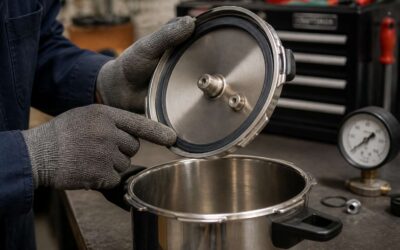
The pieces you can remove are the first line of defense against failure. Stovetop pressure cooker parts have separable components that demand more attention than the base itself. After each meal, I gently coax the sealing ring from its groove, washing it with warm water and a touch of vinegar. The pressure weight and vent pipe need a narrow brush to clear stubborn debris. Avoid harsh detergents; they degrade the silicone’s integrity. Follow this simple ritual:
- Remove every detachable component.
- Soak them in warm, soapy water.
- Rinse each piece with care.
- Dry them completely before reassembly.
This rhythm allows you to inspect the rubber for cracks, as a worn seal is a silent villain. Replace it promptly. The valve opening deserves a careful check. Treat these pieces with diligence, and the entire apparatus repays you with reliable service. A machine is only as healthy as its most neglected part.
When to Replace the Gasket
A gasket’s lifespan is finite. Most manufacturers suggest replacement every 12 to 18 months, depending on frequency of use. The silicone gradually loses elasticity through repeated heating cycles. Watch for these indicators:
- visible cracks or tears along the surface
- hardened or misshapen material
- steam escaping from the rim during cooking
If the lid closes with resistance, the seal has already begun to fail. Stovetop pressure cooker parts endure extreme conditions, and the gasket is the most vulnerable component. Purchase a genuine replacement from your brand’s supplier. Aftermarket seals may fit poorly, compromising safety. I recommend noting the installation date on the packaging. When in doubt, replace the gasket without delay. It is an inexpensive safeguard for a serious appliance.
Sourcing Authentic Spare Parts
Locating genuine stovetop pressure cooker parts in South Africa requires more than a quick online search. Many retailers sell generic components that appear identical but fail under high pressure. Authentic spares are stamped with the manufacturer’s logo and part number. Always verify these markings before purchase. Maintenance guidance from the brand’s manual specifies which components require periodic inspection. For example:
- Check the pressure weight for corrosion or dents.
- Inspect the vent pipe for blockages after each use.
- Test the overpressure plug for free movement.
Replacement parts ordered through reputable suppliers carry a warranty. I have seen generic parts warp after one use. Stovetop pressure cooker parts must match the original specifications exactly, especially the valve threads and gasket groove dimensions. A mismatched part can turn a reliable appliance into a hazard. Deal directly with the manufacturer’s South African distributor or an approved agent to ensure components arrive sealed and genuine. Keep receipts and record installation dates alongside your maintenance log. This discipline ensures your cooker remains safe for years.
Troubleshooting Valve Issues
A valve that rattles during cooking or fails to seat properly is often the first sign of trouble. I have seen cookers where the valve assembly looked perfect from the outside, yet the internal spring had lost tension. That failure is invisible until pressure builds.
When troubleshooting valve issues, check the seating surface for residue first. Then test the movement of the stem. A sticky valve will vent unpredictably. Clean the area around the vent pipe before each use. Do not rely on the safety lock to protect you from a faulty valve.
Common valve problems include:
– Debris lodged under the valve seat
– Corrosion on the stem threads
– A spring that no longer holds pressure
Replacing individual stovetop pressure cooker parts is usually cheaper than replacing the entire lid. Valve threads must match the original specifications exactly. A mismatched thread will cross-thread and fail. Stovetop pressure cooker parts sourced from approved agents carry a warranty. That guarantee matters when a failure could send hot steam across your kitchen.
Upgrading Components for Efficiency
Efficiency in a pressure cooker is not a fixed state. It degrades with every cycle. Each component carries a service life. Most South African households keep a cooker for a decade or more. That longevity reflects careful design, but only if the operator acknowledges the wear.
Replacing worn stovetop pressure cooker parts with modern equivalents can restore efficiency. A silicone seal holds pressure longer than an aged rubber one. A precision-machined weight stabilises the pressure level better than the original. The cook gains a quieter appliance and a more predictable result!
Consider these signs that replacement is due:
– Steam escapes from the lid before the valve lifts
– Cooking times stretch beyond the manual’s specifications
– The pressure indicator moves sluggishly
Genuine stovetop pressure cooker parts match the exact tolerances of the original. An upgraded component alters performance only when it seats correctly. Verify the thread pitch and the stem length before installing. A poor fit negates any efficiency gain.

0 Comments