Understanding Defy Pressure Cooker Spares
Most South African kitchens have a pressure cooker. The appliance often outlives its warranty by years. Yet when a valve sticks or a gasket fails, many home cooks panic. Finding genuine defy pressure cooker spares does not require guesswork. It requires knowing where to look.
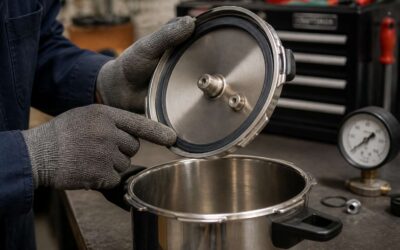
Consider what wears out. These components face constant heat and steam. They work hard!
- the sealing ring
- the safety valve
- the pressure regulator
Replacing them with authentic parts keeps your cooker safe and efficient. Aftermarket parts might seem cheaper, but they rarely match the precision of original fittings.
A quick inspection helps. Check for cracks, warping, or stiffness in the rubber seal. Listen for hissing from unexpected places. Small issues can become dangerous. Sourcing defy pressure cooker spares in South Africa has become simpler. Online stores and authorised dealers stock most models. You need the model number stamped on the base.
Sourcing Defy Pressure Cooker Spares
The old Defy pressure cooker on my mother’s stove has outlasted three ovens and two marriages. Its whistle is the sound of Sunday lunch in our Karoo town. But after thirty years of faithful service, the rubber gasket finally gave out last winter. That is when the real hunt began!
Finding authentic defy pressure cooker spares in South Africa is no small errand. Local hardware stores often shrug and point you to online marketplaces. But when you know which components wear out, sourcing defy pressure cooker spares becomes a simple matter of patience.
- the sealing ring, which loses flexibility over time
- the safety valve, which should never be tampered with
- the pressure weight, which controls the whole cooking rhythm
I eventually found what I needed through a dedicated supplier who understood the old models. It cost a fraction of a new cooker and saved a piece of family history.
Replacing Essential Spare Parts
Every pressure cooker eventually asks for attention. In South African kitchens, the Defy brand remains reliable, but even the sturdiest seals wear out. Replacing essential spare parts is about restoring trust. I have learned that a tired gasket can turn a simple stew into a sticky disaster.
When you search for defy pressure cooker spares, you will encounter several key components:
– Silicone sealing rings
– Pressure release valves
– Locking handle assemblies
Each part plays a specific role. A worn ring breaks the pressure balance, causing longer cooking times. The valve, when stuck, prevents pressure from escaping correctly. Replacing these items every two years keeps your cooker in top form. It is a simple maintenance practice that rewards you with reliable performance.
Maintenance Tips for Spare Parts Longevity
A South African kitchen trusts its pressure cooker to deliver tender meals after long days. But every spare part, from the gasket to the safety valve, holds a finite lifespan. Over time, cheap replacements fail, and only genuine defy pressure cooker spares sustain that original performance.
Your care routine determines the difference. Always depressurize slowly, and never force the lid open. This reduces strain on the sealing ring. After each use, wash the components with warm soapy water, then dry them completely before reassembly.
Here is a simple rhythm to follow:
- Inspect the rubber gasket monthly for cracks, rotating it to wear evenly.
- Clean the pressure valve with a soft brush to remove food residue.
- Store the lid upside down to keep the seal from compressing.
Pay attention to the sound of escaping steam. A hiss where silence once lived signals a tired part. Often, a small adjustment or a fresh seal extends the whole system’s life. I find that when you honor these small acts of care, your defy pressure cooker spares work harder and last longer.
Troubleshooting with Spare Parts
Nothing kills a Sunday potjiekos faster than a pressure cooker that refuses to seal. After years of chasing steam leaks, I have learned that the right defy pressure cooker spares save more than dinner; they save your temper. Most faults come from a tired gasket, a clogged valve, or a misaligned handle. Run through this routine:
- Stretch the gasket and check for cracks.
- Poke a toothpick through the vent valve to clear blockages.
- Align the handle so the lid sits flush.
Sometimes the issue is simpler than you think. A few spare components on hand turn a seal problem into a quick fix. Your cooker will thank you!


0 Comments