Why a Pressure Cooker Deserves a Place in Your Kitchen
Time-Saving Benefits for Busy Johannesburg Families
Johannesburg families lose precious hours every week. Between school runs, the M1’s gridlock, and late meetings, supper often becomes an afterthought. A pressure cooker collapses cooking time dramatically. That lamb stew which normally simmers for two hours is ready in forty minutes.
This appliance relies on pressurised steam to break down tough fibres efficiently. You serve a proper meal using less electricity and fewer pots. For those who choose to buy pressure cooker Johannesburg, the everyday gains are tangible.
These devices excel at:
- Cooking dried beans without soaking overnight
- Preparing one pot meals that limit washing up
- Keeping more nutrients intact than boiling
A weekday evening in Johannesburg rarely leaves room for slow cooking. Pressure cookers return that lost time to your family.
Energy Efficiency and Lower Utility Bills
South African electricity tariffs have climbed relentlessly. My own utility bill seems to jump every quarter. The kitchen eats a large slice of that power. A pressure cooker cuts straight into that cost.
The sealed vessel traps steam. Food reaches temperature faster and holds it. Less heat escapes into the room. Your stove runs for a fraction of the time. That difference shows up in the numbers.
- Dried beans ready in 30 minutes rather than 90
- Rice cooked without a constant simmer
- Stews tender without hours of hob time
Any cook looking to buy pressure cooker Johannesburg gets a device that pays for itself. The savings on electricity bills make the price fade quickly. For families who buy pressure cooker Johannesburg, utility savings matter as much as speed.
Versatility: From Soweto Stews to Healthier Meals
One pot holds the memory of every meal cooked inside it. In Johannesburg, where the table shifts between cultures, the pressure cooker becomes a translator. It takes oxtail from the slow afternoon and delivers it in an hour. It coaxes flavour from beans that would otherwise need soaking and watching. For the family weighing whether to buy pressure cooker Johannesburg, this range of possibility matters.
The same unit handles tripe for a Sunday gathering and a delicate butternut soup for a weekday supper. Vegetable nutrients survive the fast cooking. Meats render their richness without endless simmering. Any cook who buys pressure cooker Johannesburg inherits a vessel that adapts to the household, not the other way around.
How Pressure Cookers Handle Local Staples
At 1,753 metres above sea level, water in Johannesburg boils at 96°C. That missing heat turns samp into an afternoon project. A pressure cooker holds its temperature under force. It does not care how high your suburb sits. This logic compels a person to buy pressure cooker Johannesburg: less guesswork, more certainty.
Local staples reward this machine. Samp, sugar beans, beef shin, all dense and unyielding. They need pressure. I watch a cup of beans surrender in thirty minutes, skins intact, interiors creamy.
- Samp softens for Sunday breakfast.
- Sugar beans hold their shape for stew.
- Beef shin releases gelatin without a day of watching.
For families weighing the purchase, this machine offers permission to step away from the stove, to trust the seal and valve. When you buy pressure cooker Johannesburg, you are not adding a gadget. You are changing how you relate to dinner.
Types of Pressure Cookers Available in South Africa
Stovetop Pressure Cookers: Traditional and Affordable
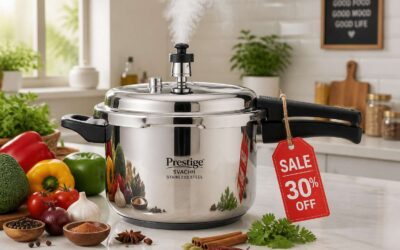
Stovetop pressure cookers remain the traditional workhorse in South African kitchens. These units operate on direct heat, which suits both gas flames and ceramic hobs. The mechanics are simple: a locked lid, a pressure valve, and a gasket that seals in steam. No electronics, no digital timers, just controlled force.
Shoppers who want to buy pressure cooker Johannesburg options at a lower price point often choose aluminum versions. These heat quickly and stay light enough for one-handed use. Stainless steel variants cost more but resist dents and handle acidic stews without reaction. I always ask what a kitchen truly needs before recommending one:
- Aluminum: fast heating, affordable, prone to warping on uneven heat
- Stainless steel: durable, heavier, preserves flavor neutrality
Both styles produce the same tender results for beans and oxtail. A stovetop model does not care about load shedding, which adds to its appeal. You can buy pressure cooker Johannesburg units at local hardware stores and supermarkets, often with spare gaskets available separately.
Electric Multi-Cookers: Convenience and Programmability
Electric multi-cookers remove the guesswork from pressure cooking entirely. If you buy pressure cooker Johannesburg models from this category, you get a sealed pot with a heating element and a microcontroller. You press a button for stew, soup, or beans, and the unit adjusts pressure and heat on its own. I find this useful on evenings when the kitchen demands my attention elsewhere.
These devices also function as rice cookers and slow cookers. The lid locks automatically, and steam releases through a controlled valve.
Some models include:
– Yogurt making programmes
– Sauté and browning functions
– Delay start timers
The digital interface reads internal temperature constantly and makes micro adjustments. That precision costs more than stovetop units, and you need a working power outlet during load shedding. Still, for households that value programmability, these units deliver consistent results.
Size and Capacity Options for Different Households
When you buy pressure cooker Johannesburg, you will notice sizes range from compact 4 litre units to roomy 10 litre models. A small household of two people might manage with a 5 litre pot, while a family hosting Sunday gatherings needs at least 8 litres. The internal diameter matters as much as the volume. A wider base allows browning meat before sealing the lid.
For those cooking for large extended families, the 10 litre options handle whole chickens and large cuts of beef. Some suppliers offer models with interchangeable racks, which stack food vertically.
Consider the following capacity guidelines:
– 4 to 5 litres for singles or couples
– 6 to 8 litres for families of four to six
– 9 litres and above for entertaining or bulk freezing
Stainless steel bodies offer durability, while aluminium versions heat faster but require more care. Check the base diameter against your stove’s burner size before you buy pressure cooker Johannesburg.
Material and Build Quality: Aluminium vs Stainless Steel
When you buy pressure cooker Johannesburg, the material choice shapes your cooking experience more than any other feature. Aluminium conducts heat quickly, but it reacts with acidic foods such as tomato-based stews. Stainless steel resists that reaction and endures years of daily use, though it needs a heavier base to distribute heat evenly.
In my experience, the price gap between these materials is substantial. Local suppliers in Johannesburg stock both options, so your decision comes down to how you cook.
- Aluminium: lighter, cheaper, heats fast, prone to dents
- Stainless steel: heavier, costlier, durable, easier to clean
Stainless steel bodies often include a tri-ply base for better heat spread, while aluminium versions rely on thickness alone. The difference is visible from the first use! When you buy pressure cooker Johannesburg models, though, the base size relative to your stove’s output determines whether cooking stays even.
Safety Certifications and SABS Standards
Talk to any Joburg cook and you will hear two names: stovetop and electric. But when you buy pressure cooker Johannesburg, the more important distinction is certified versus uncertified. The SABS standard filters out the shoddy imports. Certified cookers come with a stamped approval number and a pressure valve that has been tested at extreme limits. Some use a spring-loaded mechanism, others a weighted jiggle top, but all must meet the same safety baseline. Here is what SABS inspectors actually check:
- Overpressure blowout paths
- Primary and secondary valve performance
- Heat resistance of gaskets and handles
- Metal thickness at stress points
If a cooker does not carry this mark, leave it on the shelf. Steam burns are no joke. Certified units may cost a bit more, but your kitchen ceiling will thank you.
Essential Features to Look for Before Purchasing
Pressure Release Valves and Venting Systems
Before you buy pressure cooker Johannesburg retailers stock, scrutinise the pressure release valve. This modest component decides between a triumphant dinner and a ceiling stained with butternut. Johannesburg’s altitude affects boiling temperatures, so a predictable valve matters.
Two designs dominate:
- A weighted valve jiggles and releases steam in bursts.
- A spring valve emits a continuous hiss.
Both perform well, though the spring type holds steadier pressure.
Notice where the steam exits. Rear venting keeps your hands clear. Upward venting may damage overhead cupboards. A valve that twists open slowly beats one requiring a sharp turn.
Above all, the vent must come apart for cleaning. A clogged valve invites both danger and mild insanity.
Lid Locking Mechanisms and Interlocks
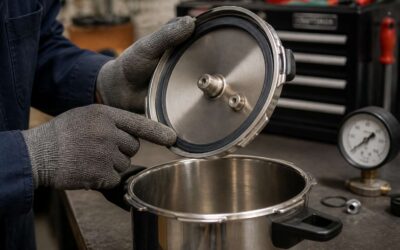
The lid locking mechanism is your quiet covenant with pressure. When you prepare to buy pressure cooker Johannesburg models, check that the lid engages with a decisive click. A reliable interlock prevents opening while pressure remains, releasing only when the safety pin drops fully. This matters at altitude, where trapped steam behaves unpredictably. Some cookers use a bayonet twist, others a sliding latch. I prefer a spring loaded pin that responds with obvious feedback. Here is what to verify:
– The lock engages before steam builds.
– The release pin sits visible and unobstructed.
– The interlock resists forced opening.
Without these details, a cooker becomes a hazard. Test each latch before you commit. A stubborn interlock will age you faster than a missed deadline!
Cooking Programmes and Presets for South African Dishes
A Sunday pot of oxtail stew should not demand your entire afternoon. When you buy pressure cooker Johannesburg units, the programme selection determines whether your pap comes out creamy or claggy. I look for a model with a dedicated bean and legume cycle; sugar beans need different pressure than samp. The best cookers offer variable pressure levels, not just a one size fits all setting. Curries from Durban require a slow, rolling heat that infuses spices without scorching the base. A rice programme with adjustable timing is essential for fluffy jasmine or sticky rice. Check the presets against your actual cooking list, not the marketing brochure. Some units offer a yoghurt fermentation setting, which many local households use for maas. The interface should label programmes by function, such as stew, steam, or slow cook, so you can match them to your recipe.
The truly useful functions include:
– A browning or searing programme to develop flavour before pressure cooking.
– A low pressure setting for delicate vegetables and fish.
– A keep warm cycle that holds food at a safe temperature without overcooking.
These presets should shorten your time in the kitchen, not add mystery to it. The control panel matters as much as the pot itself. A confusing interface means you will default to manual cooking and waste the machine’s potential.
Cleaning and Maintenance Features
Ask any Johannesburg cook about washing a pressure cooker and watch their eye twitch. The wise buyer checks disassembly before they buy pressure cooker Johannesburg units. A removable lid and extractable valve are not luxuries; they are practical requirements.
Condensation trays and inner pots should fit in a dishwasher without drama. Some sealing rings retain curry smells for generations. Swap rings for sweet and savoury dishes, or label them with masking tape.
- Look for rounded pot interiors, no sharp corners for food to hide in
- Check if the float valve and pressure release assembly come apart with a push
- Confirm the lid lock parts do not require an engineering degree to reassemble
The manual should explain descaling with white vinegar, not cryptic diagrams. Soapy water, a soft cloth, and patience cover the daily routine. Anything more demanding means your cooker will sit unused in a cupboard.
Warranty, Spare Parts, and After-Sales Support
The average South African household replaces or repairs a major kitchen appliance every four to six years. In Johannesburg, where daily loadshedding schedules and hard water take a toll on electronics, the warranty might be the single most decisive factor when you buy pressure cooker Johannesburg options. A two year guarantee is the bare minimum, and three years signals genuine confidence from the manufacturer. You want local support, not a courier label to a distant warehouse. Read the claim process before you purchase, not during a crisis. Does the retailer handle the repair directly, or do you negotiate with an imported brand’s call centre for weeks?
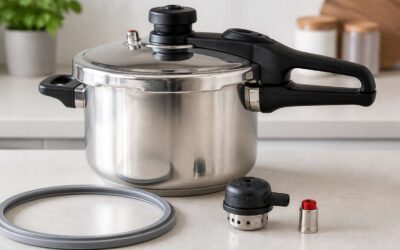
Spare parts availability separates a long term workhorse from a disposable gadget. Sealing rings, float valves, and inner pots degrade with regular use. Before you buy pressure cooker Johannesburg stock, ask the store if they physically hold these components. A cooker that requires a six week wait for a replacement gasket is a cooker you will not use. Established brands like Presto, Hawkins, and certain Philips models have solid distribution networks in Gauteng. Smaller online-only brands often vanish, leaving you with a brick.
Here are the questions that separate informed buyers from frustrated ones:
– Does the warranty cover the heating element and the electronic control board?
– Is there a local service centre within 25 kilometres of your suburb?
– Can you buy a sealing ring from the same retailer, off the shelf?
– What is the average turnaround time for a standard repair?
After-sales support in Johannesburg can be uneven. Malls like Sandton City and Eastgate have dedicated small appliance repair kiosks, but you should confirm they handle your specific brand. Independent repair technicians in Soweto and Randburg are often better with stovetop models than with complex digital interfaces. The manual should list a local phone number and a physical address. Email-only support is a warning sign. Consider the cost of the replacement parts relative to the cooker’s price; a R400 seal on a R900 budget cooker is absurd. The smart purchase considers the next five years, not just the first five meals. A robust support network makes the difference between a cooker that serves you for a decade and one that ends up in a landfill after a single fault.
Brand Reputation and Local Availability
Brand reputation in Johannesburg is a practical matter. A manufacturer with a decade of local sales has absorbed lessons about power surges and hard water that a new entrant has not. When you buy pressure cooker Johannesburg stock, ask how many units that brand has moved in Gauteng. Volume creates accountability.
Local availability extends beyond the shop floor. A reliable brand appears in multiple retail chains across the city, not just one boutique. You can inspect the model, check its heft, and confirm the controls respond before committing.
- Does the brand offer models rated for local voltage?
- Can you physically handle the cooker before purchase?
- Has the brand maintained a presence in Gauteng for more than five years?
Reputable brands do not hide behind vague import labels. They list local offices and physical addresses. That transparency matters when you buy pressure cooker Johannesburg units. A brand willing to stand behind its product locally deserves your attention.
Where to Buy a Pressure Cooker in Johannesburg
Specialist Kitchen Retailers in Sandton and Hyde Park
Sandton and Hyde Park might seem like unlikely places to find a pressure cooker, yet their specialist kitchen retailers hold an advantage few other suburbs can match. These shops stock curated collections from European and local brands, allowing you to compare models side by side. Staff often include trained chefs or appliance technicians, which proves useful when you need clarity on valve systems or safety interlocks.
When you plan to buy pressure cooker Johannesburg, a visit to these neighbourhoods pays off. Specialist retailers across these hubs offer demonstrations and personalised guidance. You can expect:
- Hands-on testing of lid mechanisms
- Access to exclusive stainless steel units
- Direct advice on spare part availability
This level of service transforms a simple purchase into an informed decision.
Major Department Stores and Hypermarkets
Major department stores and hypermarkets offer a more straightforward route to buy pressure cooker Johannesburg. Makro, Game and Checkers Hyper devote entire aisles to cookware, stocking everything from budget aluminium pots to electric multi cookers. These retailers leverage high volume, which often translates into competitive pricing, frequent promotions and wider availability during peak shopping seasons.
Shopping here lets you handle the units directly. You can test the weight, inspect the locking mechanism and read the safety labels before you commit. Stock levels vary between branches, so a quick online check beforehand saves a wasted trip.
- Entry level stovetop models often start under R500
- Mid range electric units from both local and imported brands
- Occasional bundle deals with rice cookers or steamer baskets
For the practical buyer, this is where convenience and price meet without ceremony.
Online Marketplaces with Johannesburg Delivery
A pressure cooker can reach a Johannesburg front door within hours. Online marketplaces have become the default starting point for anyone who wants to buy pressure cooker Johannesburg without entering a store. Takealot delivers same day for eligible items. Amazon South Africa keeps expanding its cookware catalogue. Bidorbuy, now part of Bob Group, helps hunters find discontinued models and spare parts.
Online shopping offers something shelves cannot: comparison. Filters expose SABS certification. Reviews from other South African households reveal real performance with oxtail, samp and sugar beans. Multiple seller prices appear in one view, saving you the drive from Braamfontein to Eastgate.
The cost is patience. Most units arrive within two to five days. Some electric models ship from Gauteng warehouses within 24 hours. I have seen listings that say ships in three weeks; those likely come from overseas, which complicates warranty claims.
Second-Hand Options and Safety Considerations
Second-hand pressure cookers surface constantly on Facebook Marketplace, Gumtree, and in charity shops across Jeppestown and Fordsburg. Prices sit far below retail, which tempts anyone who wants to buy pressure cooker Johannesburg without stretching a pay cheque. That saving can disappear fast when missing spares force a replacement.
The safest used units are older stovetop models from recognised brands. Before cooking, test the unit with water only, never with food.
- Examine the lid locking mechanism for burrs or misalignment.
- Inspect the gasket for cracks or hardened sections.
- Confirm spare valves and seals are still sold locally.
These checks matter more than the exterior. A shiny pot with a faulty vent pipe is a liability, not a bargain. Verify the instruction manual exists, or skip the deal entirely.
Comparing Prices at Local Wholesalers
Price differences for the identical pressure cooker can exceed R400 between Sandton boutiques and Johannesburg wholesale outlets. That gap explains why many families choose to buy pressure cooker Johannesburg at Makro, Game, or Checkers Hyper. Volume purchasing lowers shelf prices without sacrificing SABS certification.
Wholesale pricing shifts weekly. Makro often discounts electric multi-cookers during rotation sales, while Game runs promotions on stovetop aluminium units. Checkers Hyper carries mid-range stainless steel options. Always compare stock across branches.
Use these checks when comparing wholesale prices:
- Confirm the unit includes the manual and warranty card.
- Verify spare gaskets and valves are stocked at the same branch.
- Ask if the discount applies to the display unit or the sealed box.
The wholesale route rewards patience. A few phone checks can secure the same unit below advertised retail.
Budgeting, Pricing, and Value for Money
Entry-Level Pressure Cookers: What to Expect
Every rand counts when you shop for a pressure cooker, and the entry-level tier in Johannesburg demands honesty about what that rand buys. A new stovetop unit typically falls between R400 and R800, which covers the essentials: a sealed chamber, a safety valve, and a basic handle.
- Aluminium construction that heats rapidly
- Fixed pressure settings without custom controls
- Capacities around six to nine litres
The value proposition turns on longevity. When you buy pressure cooker Johannesburg, the entry-level model works reliably for everyday curries and stews, but the gasket and the locking lever will wear faster than on a premium brand. Planning for that replacement small expense is what separates a smart budget buy from a short-lived one.
Mid-Range Models and Popular Brands
The leap from entry level to mid-range is where the equation shifts from mere function to genuine value. When you buy pressure cooker Johannesburg in this bracket, you are paying for a promise of longevity, not just a vessel for boiling. Prices typically span from R900 to R2,200, and that additional outlay secures a chassis built to endure the daily grind of a busy kitchen. This is the tier where stainless steel becomes more common, and where the sealing mechanism feels engineered rather than merely attached.
Consider what the extra rands actually procure:
– Thicker base metals that distribute heat evenly to prevent scorching
– Multiple safety redundancies, such as dual pressure regulators
– A warranty that covers more than a few months of use
These components are the difference between a tool and a toy. A mid-range model, such as those from Prestige or Hawkins, is often the wisest financial decision. The initial spend on a top-tier budget brand might tempt you, but the replacement gaskets and warped bases of cheaper units force a full repurchase within two years. That is poor arithmetic.
The popular brands in this segment have earned their reputation through parts availability. When you buy pressure cooker Johannesburg, you are also buying into a network of local suppliers who stock the spares. This is the true definition of budgeting for the long term. The price tag is a conversation starter, but the cost of ownership is the real topic. A robust mid-range unit, properly maintained, will outlast three of its budget cousins, and that is a return on investment that any household accountant can appreciate.
Premium Electric Pressure Cookers and Smart Features
Premium electric pressure cookers shift the cost conversation. When you buy pressure cooker Johannesburg at this level, the initial price, often above R3,500, requires justification. The value emerges through functionality. Smart features, such as programmable settings and self-regulating pressure curves, reduce the need for constant attention.
Consider what the premium delivers over time:
- Energy savings from precision heating
- Reduced need for additional appliances
- Software updates that extend usability
The budgeting decision hinges on usage frequency. I have watched smart units gather dust, owned by cooks who never learned the presets. A family cooking daily will amortise the cost quickly. The risk sits with the occasional cook who pays for complexity they never invoke. For the former, a smart electric unit becomes a long-term asset, not a luxury.
Hidden Costs: Accessories, Parts, and Extended Warranties
Budgeting for a pressure cooker begins with the shelf price, but the full expense arrives later. When you buy pressure cooker Johannesburg, plan for consumable parts. Sealing rings and pressure valves wear down with regular use. Replacing them costs between R150 and R300, depending on the brand.
Accessories add their own weight. Extra steamer baskets, silicone gaskets, and spare sealing rings each carry a separate price. Retailers bundle these with some units, which improves value for money if the extras suit your cooking patterns.
- Replacement sealing rings
- Spare pressure valves and gaskets
- Extended warranty plans
I treat extended warranties with the same care. A long warranty pays off for a cooker used daily, but occasional cooks may never recover the premium. The warranty price often exceeds the cost of individual parts, which changes the value equation.

0 Comments